


Businesses face a crucial decision when choosing between hiring and buying AV/IT equipment for projects and operations.
Each approach has distinct benefits and security considerations that can affect cost, flexibility, and data protection.
Understanding these differences helps organisations make informed choices and maintain strong security postures in dynamic business environments.
Choosing whether to hire or buy AV/IT equipment involves more than simply evaluating budgets and technology needs. Security, asset management, and operational flexibility all play important roles in the decision-making process.
The following sections examine the core considerations that distinguish hiring from buying, focusing on security implications, operational needs, and long-term outcomes for business users.
Security risks and mitigation strategies for hiring and buying
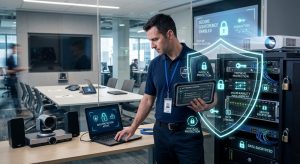
When working with providers such as Hamilton Rentals, businesses must consider how each model influences risk exposure and data safety practices. Clear understanding of equipment ownership and rental processes can ensure that sensitive information is protected while supporting business goals.
One of the most significant differences between hiring and buying AV/IT equipment is the control businesses have over device security. With owned equipment, internal IT teams are responsible for implementing and maintaining security protocols, such as data sanitisation, secure configuration, and physical safeguards. This can offer greater visibility but also requires ongoing resource investment and reliable processes throughout the equipment lifecycle.
In contrast, hiring equipment places much of the responsibility for data sanitisation and vulnerability management with the provider. Providers should offer clear documentation regarding device handling, secure wipe protocols, and evidence of regular maintenance. Organisations hiring technology must verify these processes are well-defined and contractually enforced to avoid data leakage and ensure compliance with regulatory standards. Prompt handover and return procedures can be critical in reducing exposure to risk when hiring, especially for short-term or high-profile projects.
Another critical security consideration involves firmware and software vulnerabilities that may exist within hired or purchased equipment. When buying devices, organisations must establish robust patch management processes to ensure all equipment receives timely security updates throughout its operational lifespan. This responsibility extends to monitoring manufacturer advisories and implementing remediation measures promptly.
For hired equipment, businesses should verify that rental providers maintain current firmware versions and apply security patches before deployment. Establishing clear service level agreements that specify security update requirements can help prevent the introduction of vulnerable devices into corporate networks, regardless of whether equipment is owned or temporarily hired for specific engagements.
Operational flexibility and cost control

Hiring AV/IT equipment enables organisations to rapidly scale technology resources for events, short-term projects, or periods of increased demand. This model avoids large capital expenditures and provides predictable costs for each engagement. It also ensures access to the latest technologies without the need for frequent purchases or upgrades, which can otherwise create budgetary and logistical challenges.
Buying equipment can deliver customisation, long-term control, and deeper alignment with specific workflow needs. However, it also involves higher upfront costs and exposes businesses to risks of owning outdated devices or surplus inventory. When bought equipment is no longer fit for purpose, organisations may also bear responsibility for secure data erasure and environmentally responsible disposal. For many businesses with fluctuating needs, hiring presents a cost-effective and adaptable approach, minimising internal maintenance burdens.
The tax implications and accounting treatment of hiring versus buying equipment also merit careful consideration when evaluating operational costs. Rental payments are typically classified as operational expenditure, which can be deducted from taxable business income in the period they occur, potentially improving cash flow management. Purchased equipment generally represents capital expenditure, requiring depreciation over multiple accounting periods and tying up working capital that might otherwise support core business activities.
For organisations with limited capital budgets or those operating in rapidly evolving technology sectors, the ability to expense rental costs immediately while maintaining balance sheet flexibility can provide significant financial advantages. Consulting with financial advisers ensures that equipment acquisition decisions align with broader fiscal strategies and optimise tax efficiency.
Data management and compliance across ownership models
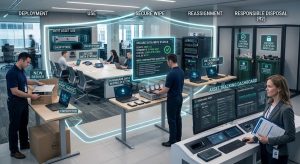
Whether hiring or buying, data management protocols must be central to any AV/IT deployment. Buyers are responsible for developing processes that ensure devices are wiped and securely configured throughout their lifecycle, including at end-of-life or asset reassignment. Maintaining compliance with regulations on data retention and protection is a continuous requirement for owned devices, demanding sustained IT management and oversight.
Hiring arrangements introduce additional complexity, as devices pass between multiple users and organisations. Businesses must clearly define expectations for data sanitisation, removable media handling, and device tracking within supplier contracts. Providers offering proof of secure wipes and well-managed asset logs help instil confidence that sensitive information will not be compromised as equipment enters and leaves the business. Engaging with reputable partners who demonstrate rigorous security measures is essential in the hiring model.
Making the right choice for your business needs
The decision to hire vs buy AV/IT equipment depends heavily on project duration, operational requirements, and internal IT capabilities. For organisations with in-house expertise and stable technology needs, buying can provide customisation and long-term value, but demands continuous attention to security and data management. In contrast, hiring is ideal for companies seeking flexibility, rapid scaling, and predictable expenditures, particularly where secure and up-to-date equipment is required on short notice.
Carefully reviewing provider credentials, service agreements, and security protocols enables businesses to mitigate potential risks associated with both models. Ultimately, the most effective approach balances operational goals with a clear-eyed assessment of data protection responsibilities, ensuring that neither flexibility nor security is compromised in pursuit of efficiency or cost savings.
Author Profile

- Content creator and publisher. I also love to create content on YouTube and other social platforms as well as promotional and social marketing.
Latest entries
 Business AdviceSeptember 4, 2026Driving Business Efficiency and Financial Resilience Through IT Sourcing
 Business AdviceAugust 14, 2026Hiring vs Buying AV/IT Equipment: Business and Security Considerations
 Artificial IntelligenceJuly 20, 2026How Does an AI Receptionist Impact Businesses?
 Business AdviceMarch 31, 20265 Financial Tools That Help London Entrepreneurs Scale In 2026 & Beyond